
Preparing Europe’s future semiconductor workforce requires more than excellent research. It requires opportunities for students to engage directly with experts, explore cutting-edge technologies, and gain a deeper understanding of the rapidly evolving microelectronics landscape.
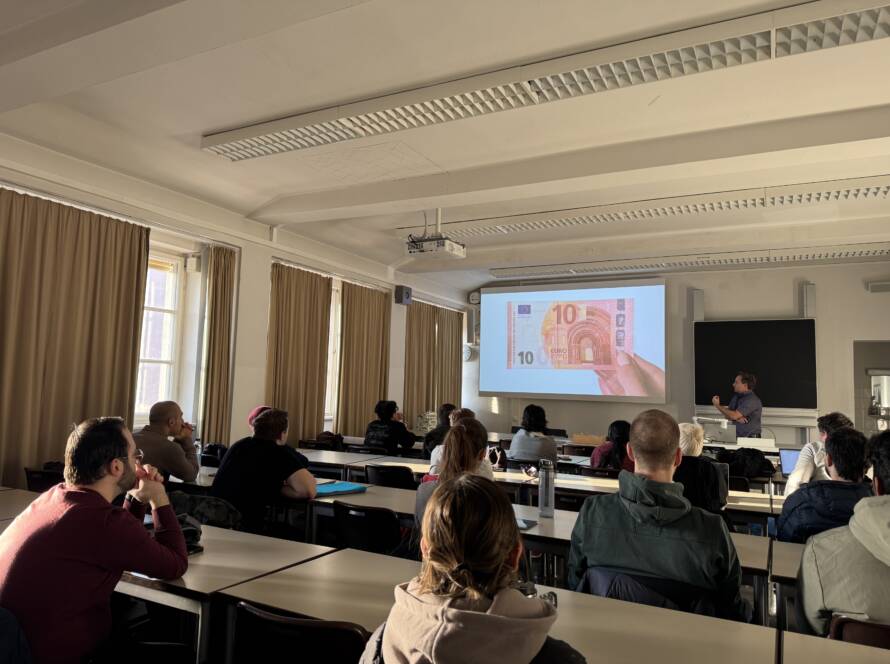
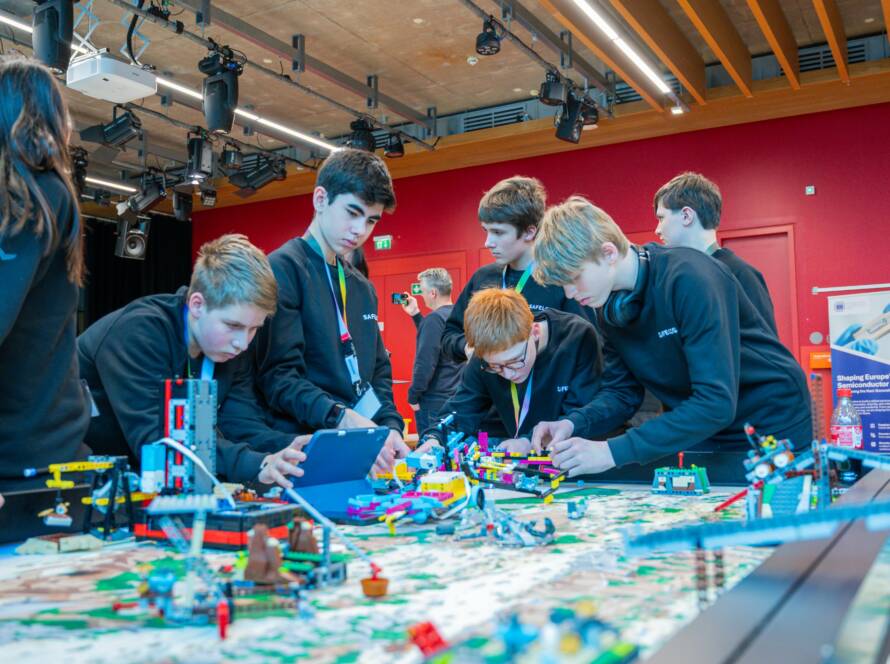
On 10 June 2026, the CHIPS of Europe project brought together students, researchers, academics, and industry experts for a dedicated event on Chip Packaging and Assembly in Sofia, Bulgaria. Organised by the Centre for Research and Analysis in partnership with Sofia University “St. Kliment Ohridski”, the event provided an interactive platform to explore one of the most important fields shaping Europe’s technological future.
Throughout the demonstration forum, participants gained valuable insights into current developments in semiconductor technologies, with a particular focus on chip design, packaging, and assembly. Discussions highlighted how advances in microelectronics are driving digital transformation, strengthening industrial competitiveness, and contributing to Europe’s technological resilience.
A highlight of the event was the presentation by Dr Teodora Varbanova, who shared her expertise on current technologies, practical approaches, and industry best practices. Her talk inspired lively discussions with students about the future of semiconductor technologies, the skills increasingly sought by industry, and the career opportunities available within Europe’s growing microelectronics ecosystem.
Beyond the technical content, the event demonstrated the importance of close collaboration between universities, research organisations, and industry. Bringing these communities together is essential to equip the next generation of engineers and researchers with both the knowledge and practical understanding required to address future technological challenges.
The event forms part of the broader mission of CHIPS of Europe. By promoting education, knowledge exchange, and international cooperation, the project is strengthening Europe’s capacity to educate highly qualified semiconductor professionals and build a sustainable, competitive microelectronics ecosystem.
As Europe’s demand for semiconductor expertise continues to grow, initiatives like these help ensure that students gain not only theoretical knowledge, but also direct exposure to the technologies, challenges, and innovations shaping the future of the industry.