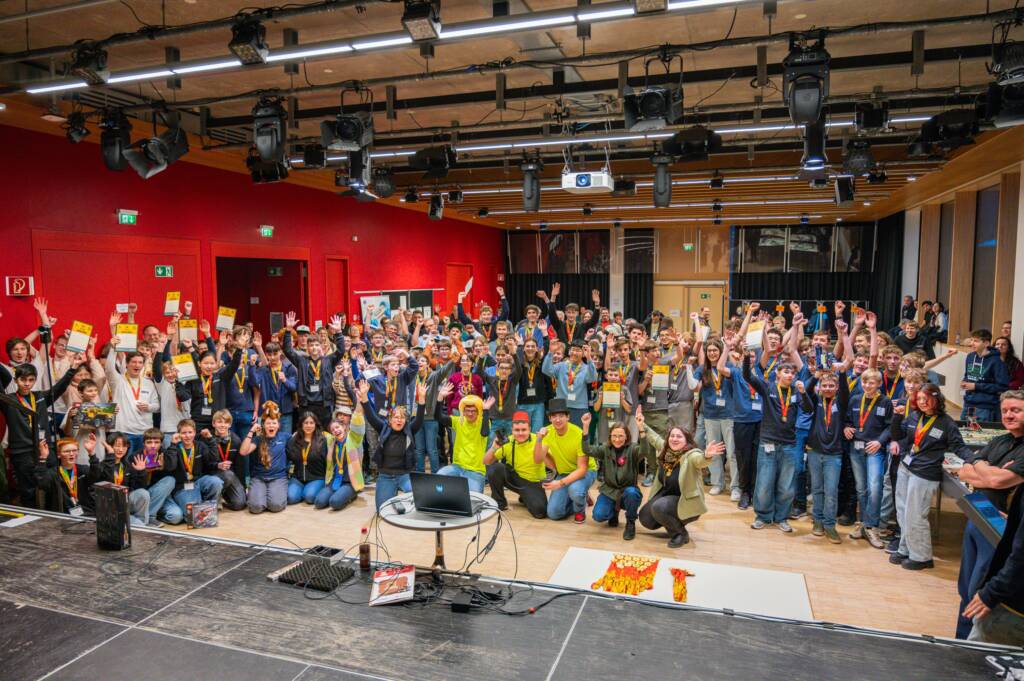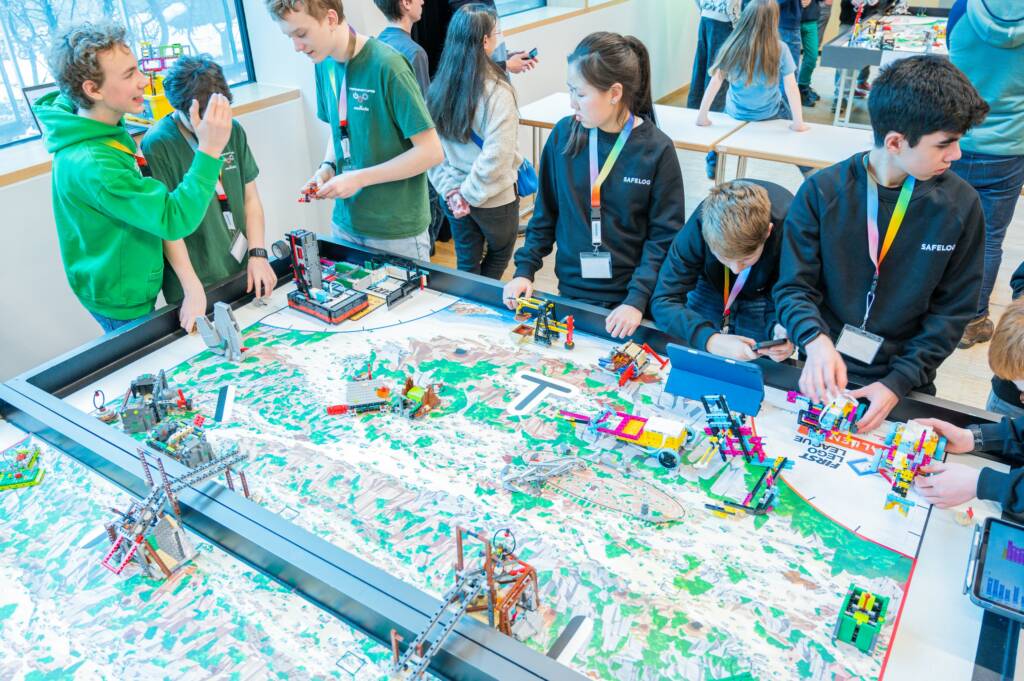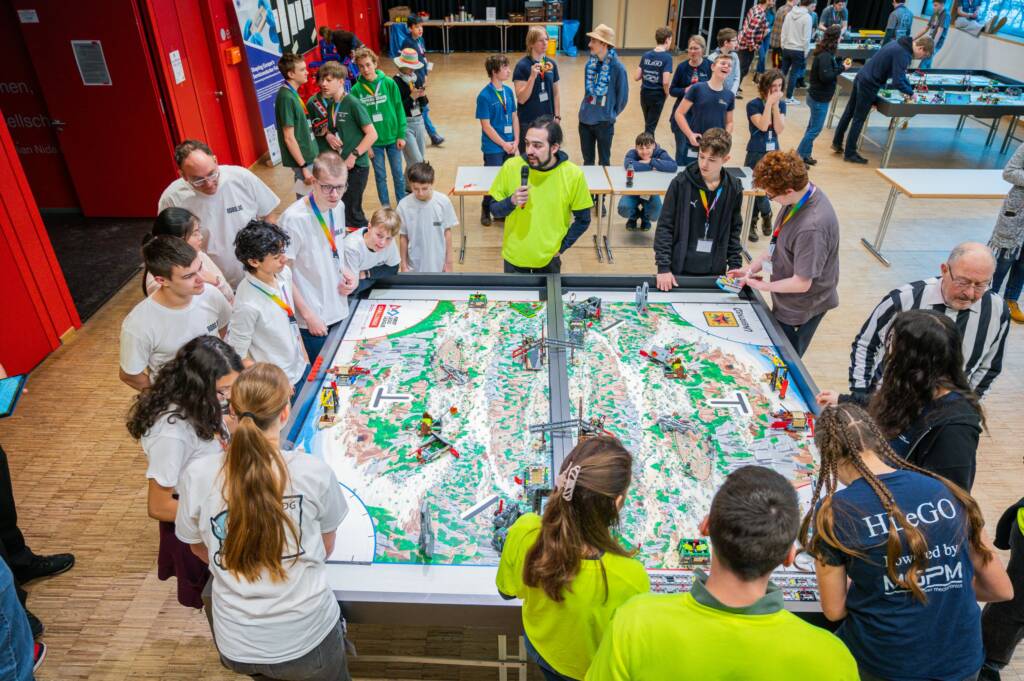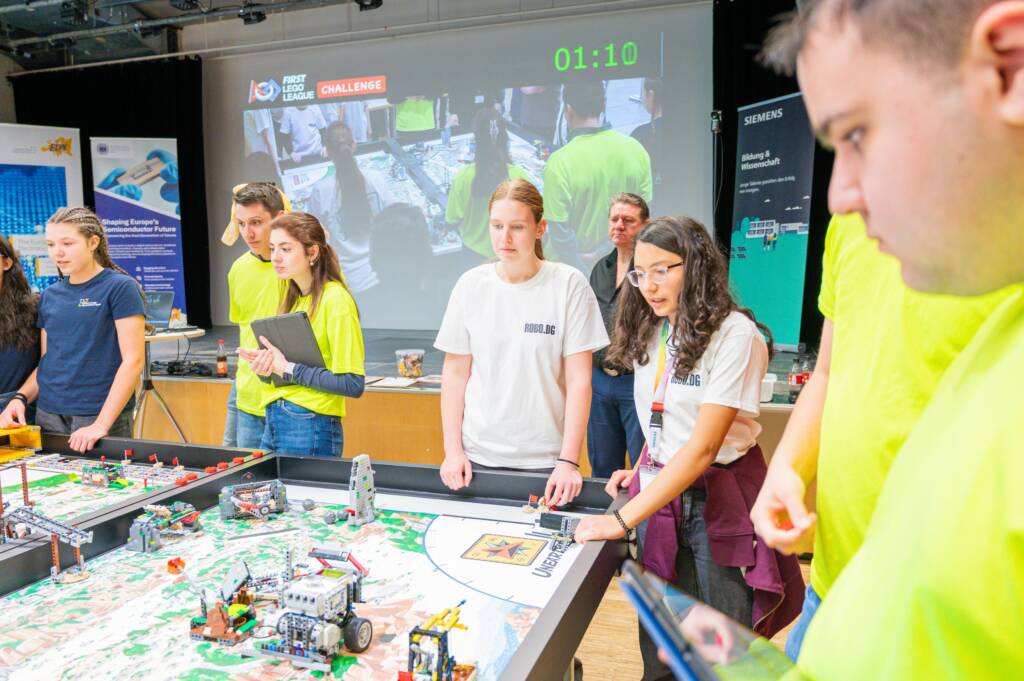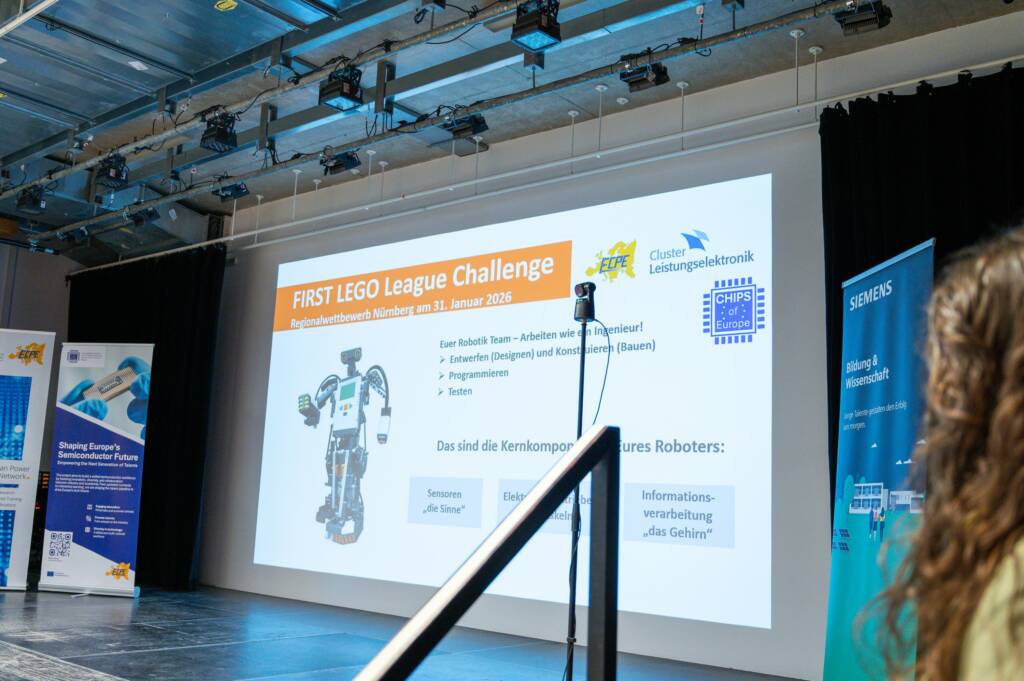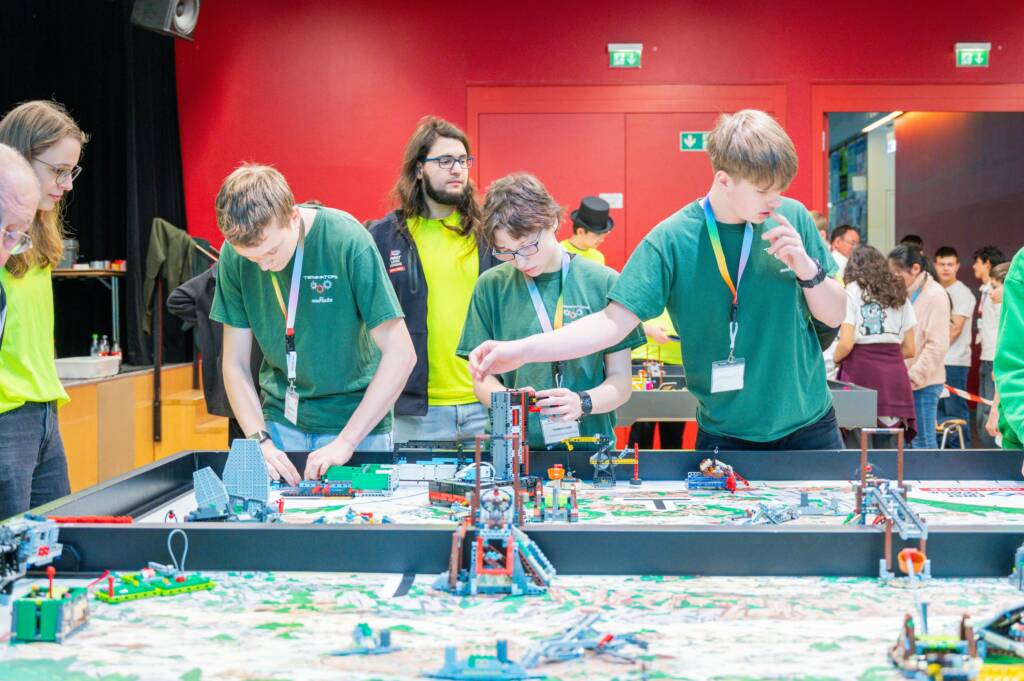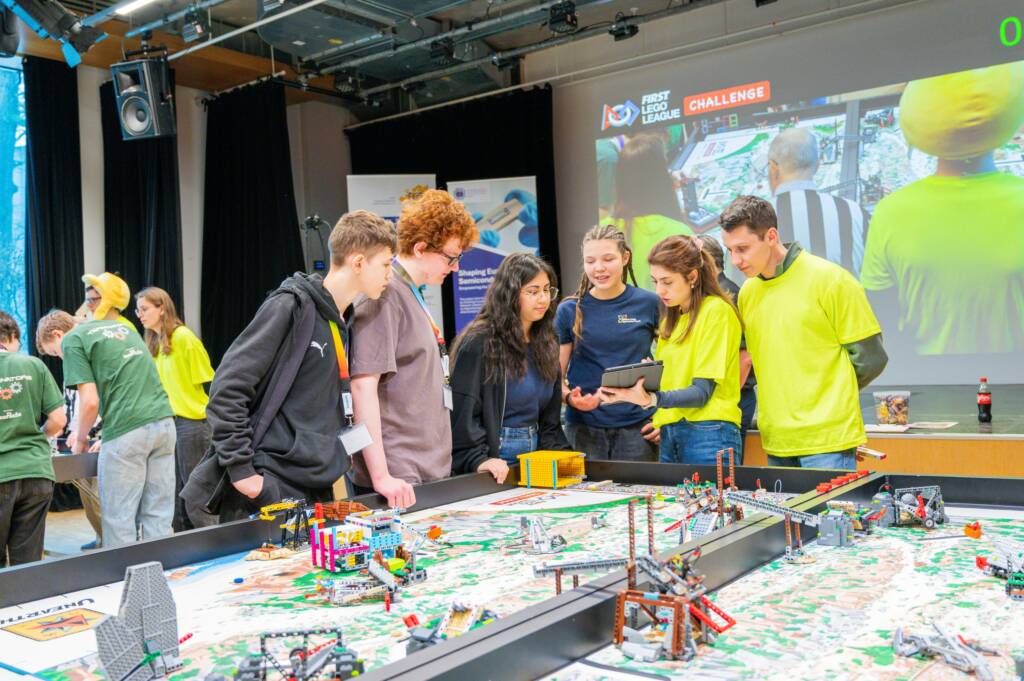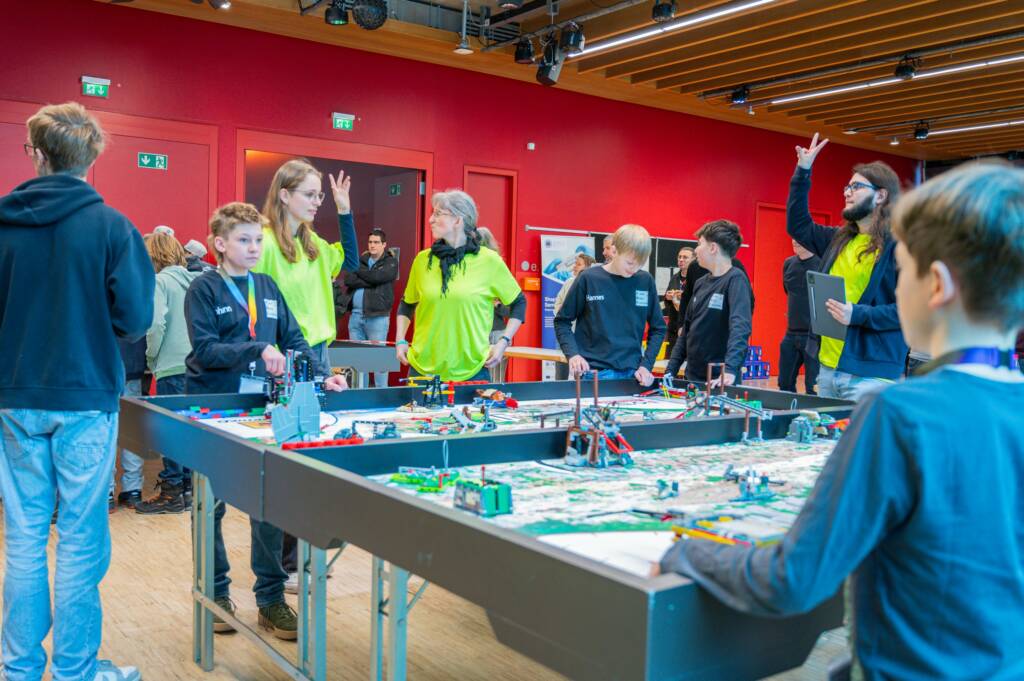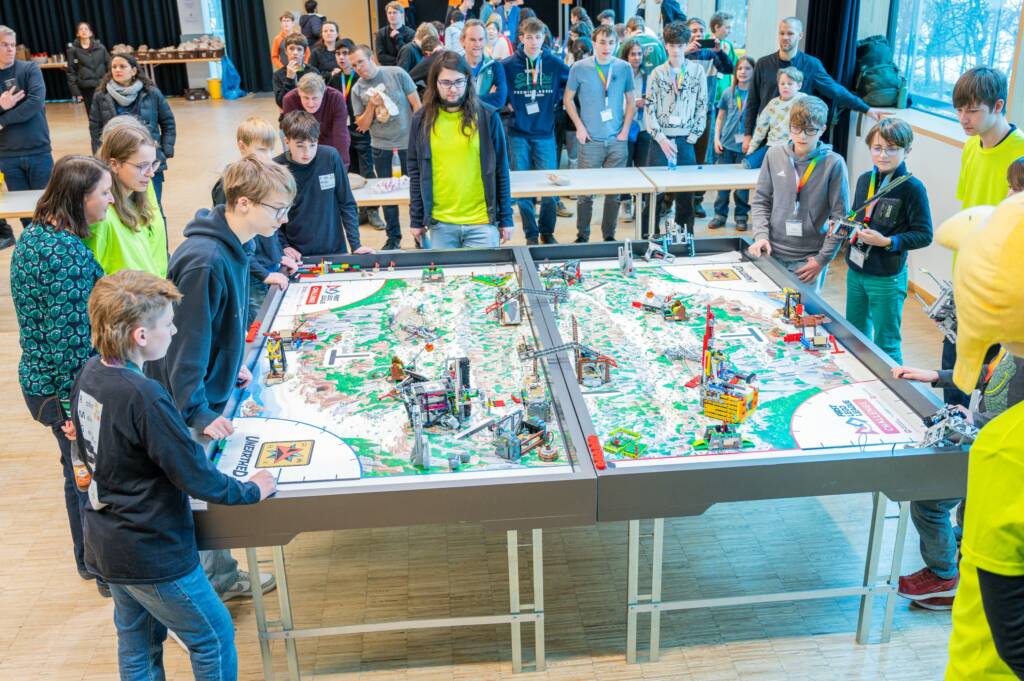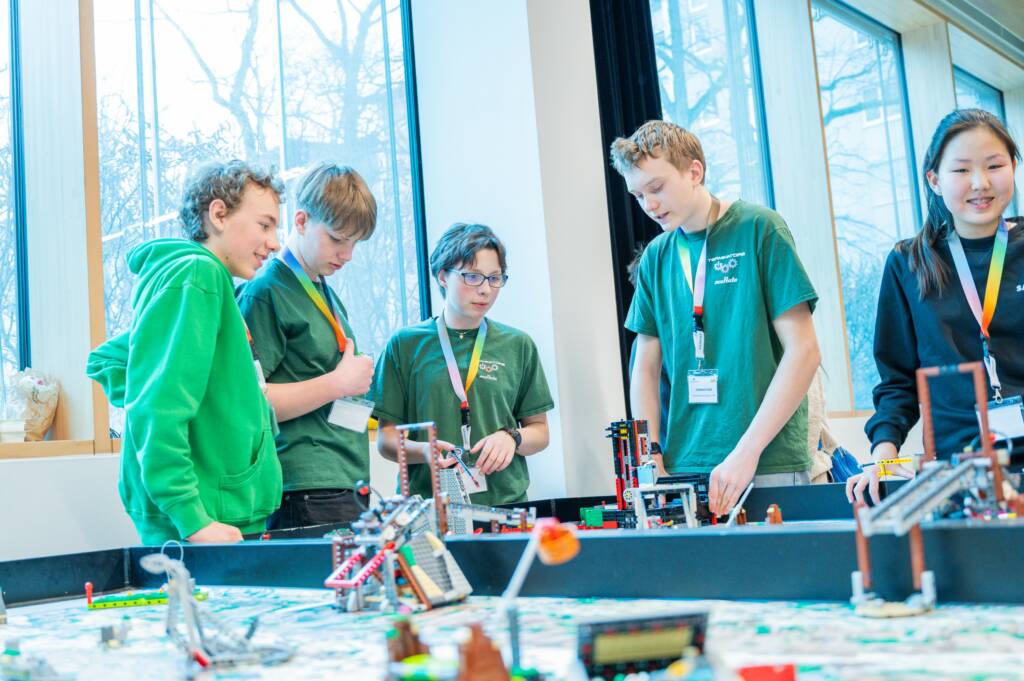

On January 31, 2026, the future of STEM innovation was on full display in Nuremberg. At the FIRST LEGO League (FLL) Challenge 2026, 15 passionate student teams gathered at the SüdPunkt centre to tackle the season’s exciting theme “UNEARTHED” – a challenge blending archaeology, creativity, and technology.
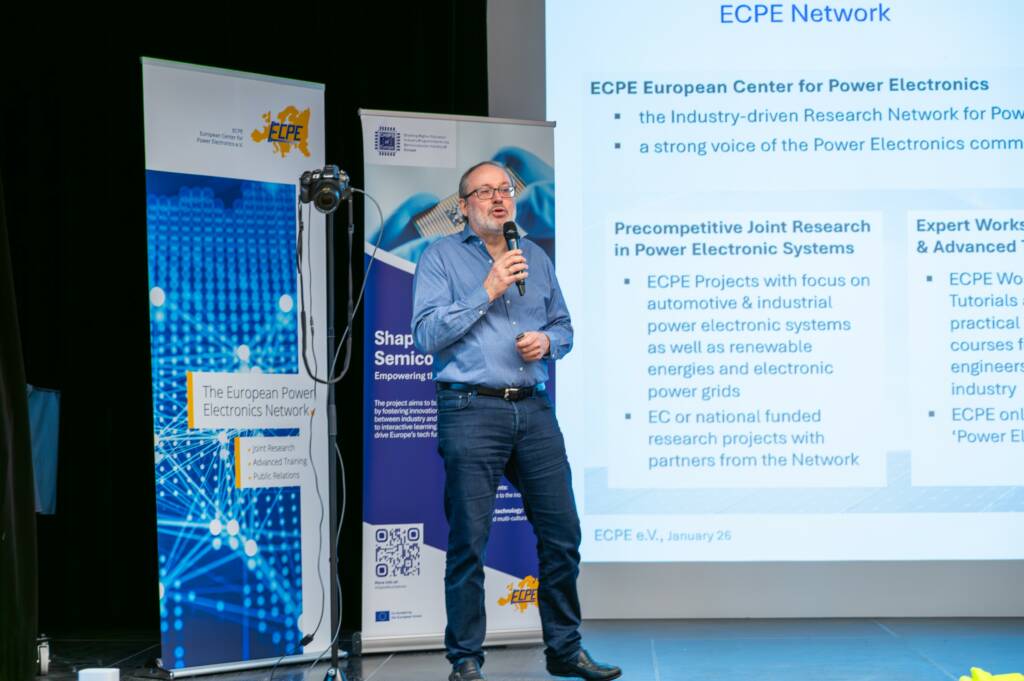
As part of our commitment to early STEM engagement, the CHIPS of Europe project was proud to support this event together with our consortium partner ECPE (European Center for Power Electronics). Our presence at the FLL Challenge was more than symbolic – it was a tangible step in building Europe’s semiconductor talent pipeline from the ground up..
Why It Matters: More Than Robots
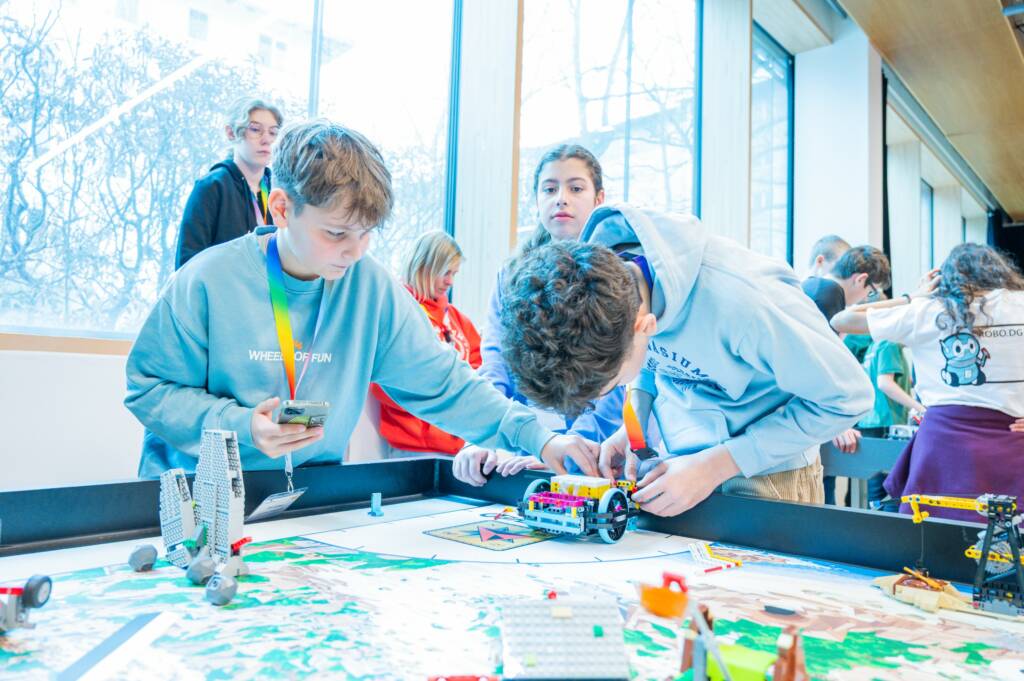
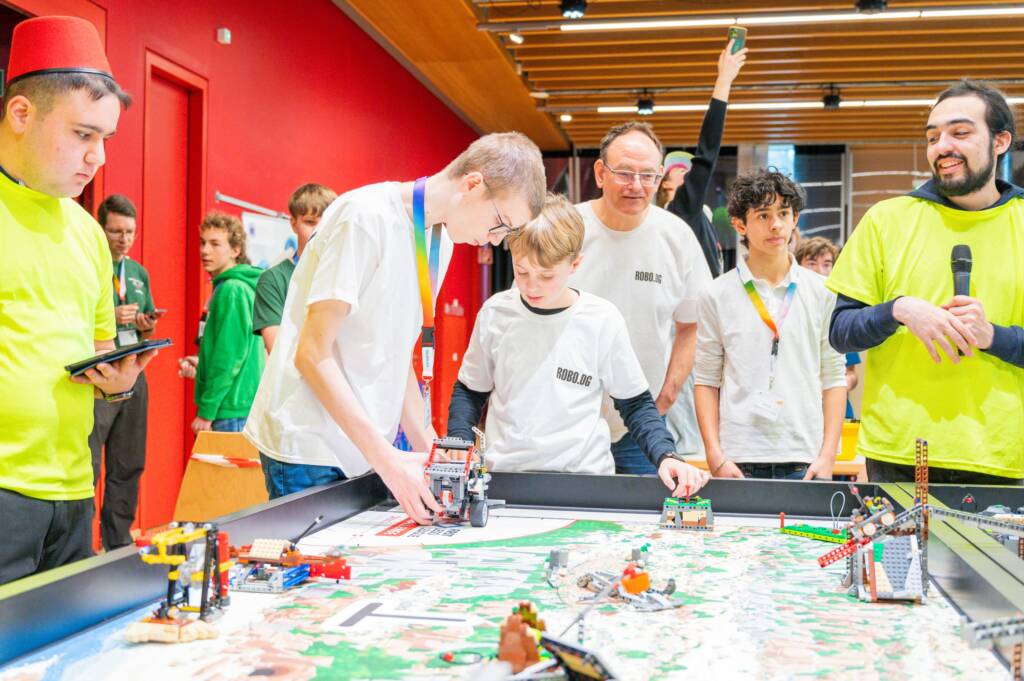
The FLL Challenge is no ordinary competition. It encourages young minds (ages 9–16) to think critically, build autonomously programmed LEGO robots, and develop innovative research projects. Throughout the day, students demonstrated technical skill, teamwork, and sheer enthusiasm – all powered by curiosity and a drive to create.
And behind every robot? Semiconductors. From microcontrollers to sensors, chips are the invisible force enabling intelligent machines, data processing, and automation. Our message to the students was clear: Without chips, none of this would work – and you could be the ones designing the next generation of them.
FLL and the CHIPS of Europe Mission
The CHIPS of Europe initiative, funded by the Digital Europe Programme, is dedicated to closing the skills gap in Europe’s semiconductor industry by:
- Promoting chip-related education across all levels – from secondary schools to universities
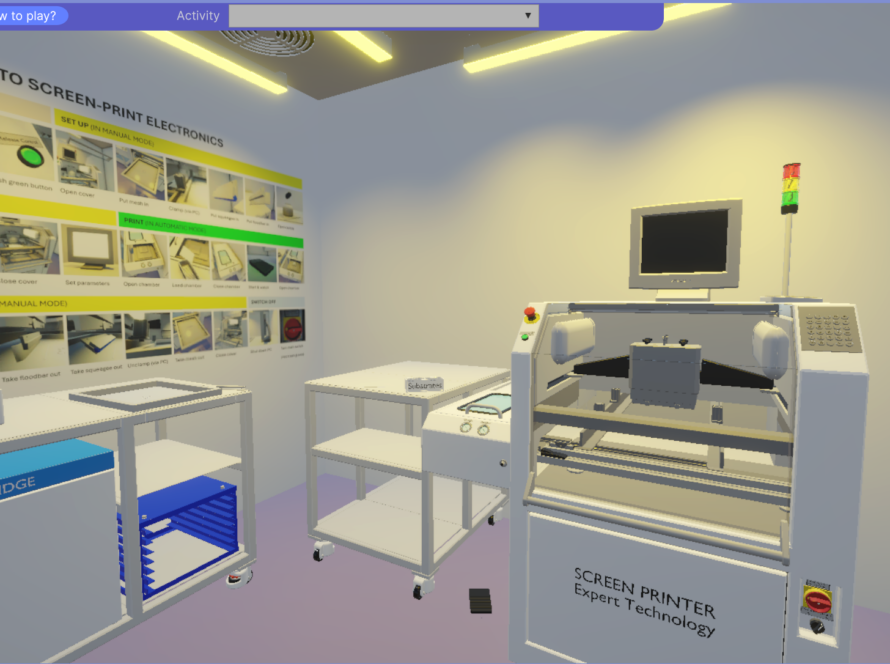
- Creating virtual labs, hands-on experiences, and updated curricula in microelectronics
- Increasing diversity in STEM, particularly by reaching girls and underrepresented groups early
Events like the FLL Challenge align perfectly with our mission. They are entry points into technical curiosity – planting the seed for future chip designers, engineers, and innovators.
Unearthing Ideas: The 2026 Theme in Action
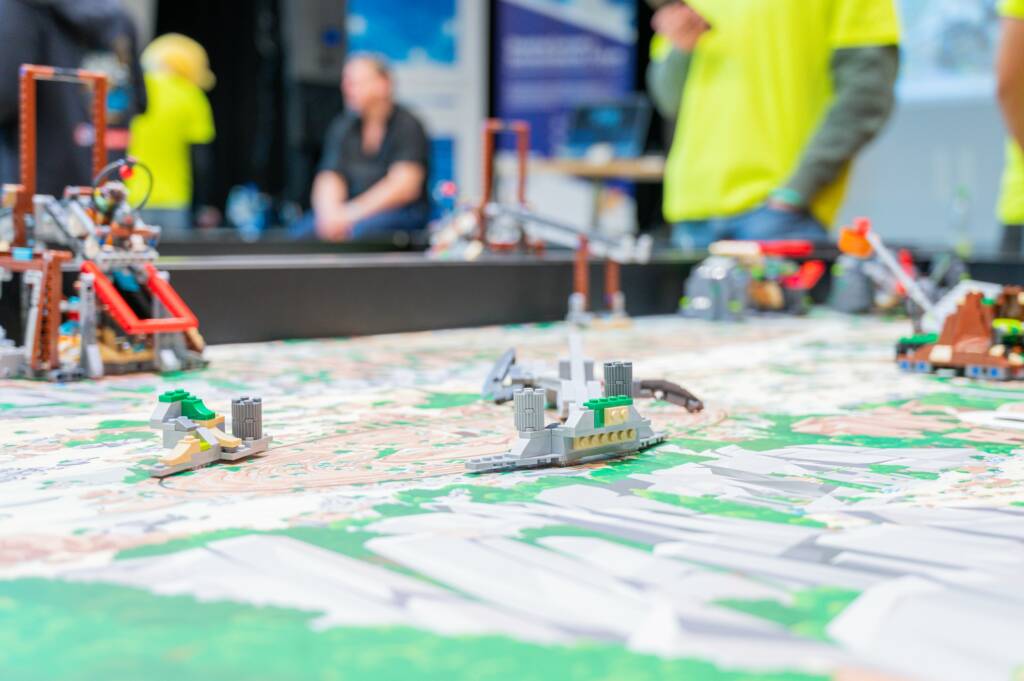
This year’s FLL theme, “UNEARTHED,” invited teams to explore how technology can support archaeological discovery and preservation. Students imagined tools that could help detect buried artefacts, designed robots to navigate ancient terrains, and shared forward-thinking ideas in their research presentations.
Through their work, they not only engaged with archaeology – but with robotics, programming, and systems thinking – all powered by semiconductor-based technology.
The Impact: Inspiration in Every Brick
What did we see in Nuremberg?
- Impressive robot designs engineered with precision
- Research presentations showcasing problem-solving and creativity
- A lively exchange between teams, coaches, parents, and STEM mentors
But most of all: enthusiasm for technology. Many students left with a deeper understanding of how science and technology shape our world – and how they, too, can play a role in Europe’s digital and green future.
Looking Ahead
As part of the CHIPS of Europe project, we are committed to strengthening connections with secondary schools, supporting programs like FLL, and ensuring that every student sees a place for themselves in the semiconductor world.
We thank ECPE and all the volunteers, schools, and teams for making the FLL Challenge 2026 such a memorable and meaningful day. The journey to Europe’s semiconductor future starts with events like these – and with the young minds daring to explore it.