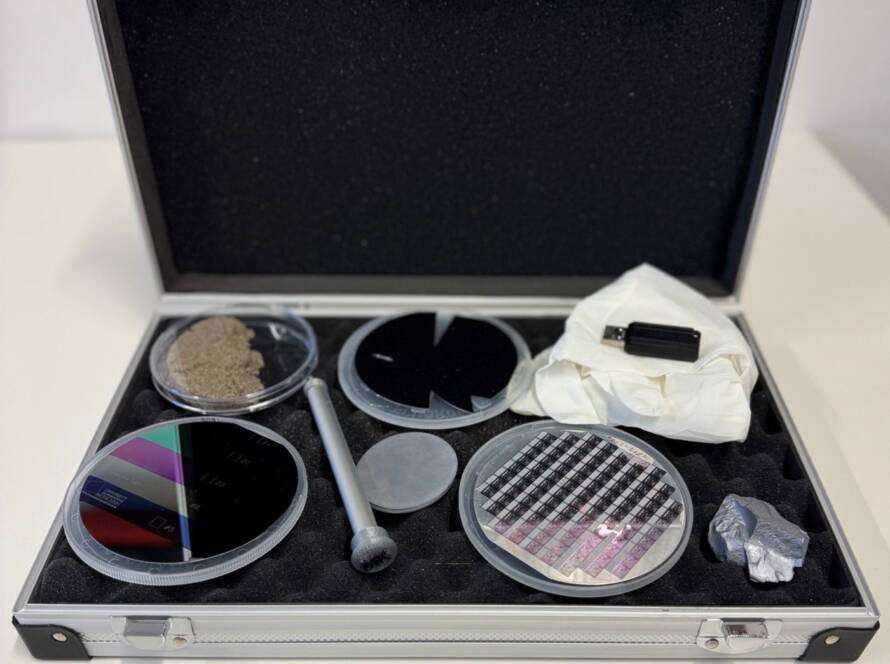

Semiconductors power our digital world, but their production requires significant energy, materials, and resources. As demand for chips continues to grow, sustainable manufacturing becomes essential for Europe’s technological future.
The Hochschule für angewandte Wissenschaften München is introducing a new subject, “Sustainability in Semiconductor Fabrication,” within its Master’s programme in Micro- and Nanotechnology. The course is developed as part of the EU-funded CHIPS of Europe, which aims to strengthen semiconductor education and align it with Europe’s digital and green transition .
Bridging Technology and Environmental Responsibility
The course focuses on how semiconductor fabrication can become more environmentally responsible while maintaining performance and competitiveness. Students explore:
- Energy-efficient manufacturing processes
- Sustainable material supply chains
- Recycling and waste management strategies
- Environmental and business impact analysis
By combining technical depth with sustainability strategy, the course prepares students to address real challenges in modern chip production.
Strong Industry Collaboration
More than eight leading companies and guest speakers from four countries contribute to the programme. Through case studies, workshops, and practical examples, students gain direct insight into current industrial practices and sustainability strategies.
This hands-on approach reflects the strong industry integration of the Master’s programme at Hochschule München .
Shaping the Future of Green Semiconductor Manufacturing
Graduates of this course will be equipped to drive sustainable innovation in one of Europe’s most strategic industries. For students who want to combine advanced semiconductor technology with environmental responsibility, this subject offers a clear pathway.
More information about the Master’s programme:
https://sci.hm.edu/studierende/studiengaenge/master/micro_and_nanotechnology/index.en.html
Contact:
Prof. Christina Schindler
christina.schindler@hm.edu