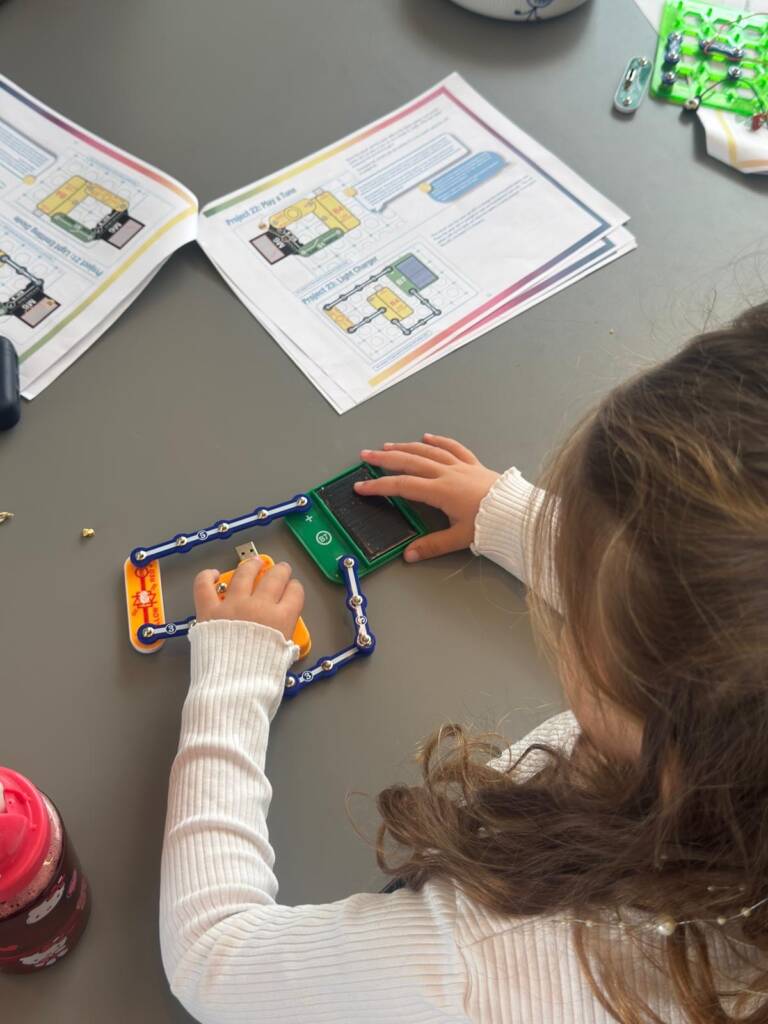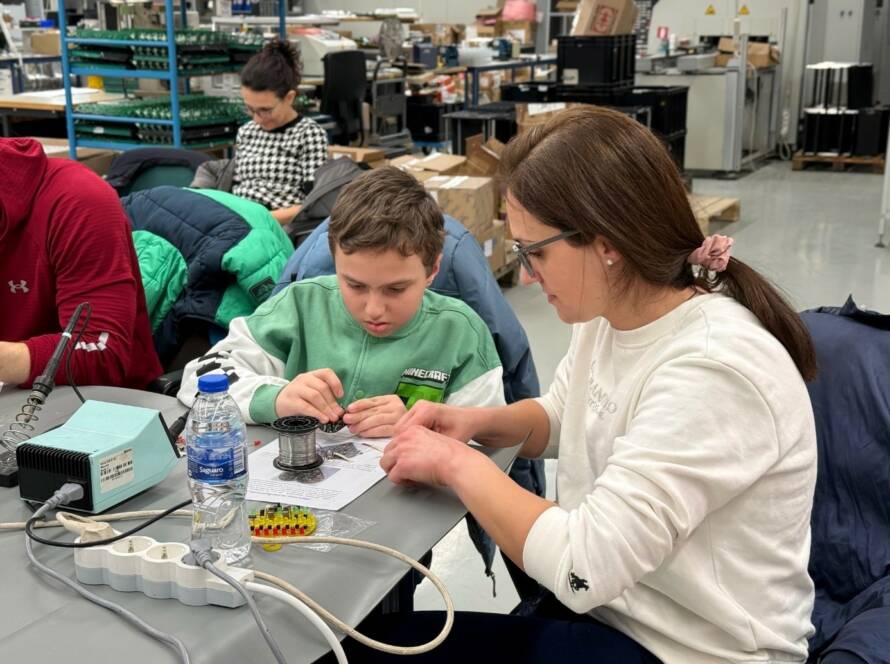

On 25 April 2026, CHIPS of Europe project partner University of Southern Denmark — SDU Sønderborg opened its doors for Forskningens Døgn 2026, welcoming families, children, and curious visitors to a morning of hands-on science at Alsion in Sønderborg.
The event invited visitors to experience research beyond textbooks: through workshops, experiments, creative activities, competitions, lab tours, and direct encounters with researchers and students. From climate solutions and future technologies to interactive demonstrations, the day showed how science can become tangible, playful, and inspiring for learners of all ages.
For CHIPS of Europe, this kind of outreach is an important part of building Europe’s future talent pipeline. The project connects secondary schools, universities, and industry to make semiconductor-related education and careers more visible, accessible, and attractive. By meeting young people and families in an open, engaging setting, SDU helped spark curiosity about STEM subjects and the technologies shaping Europe’s digital future.
Why Outreach Events Matter for Europe’s Semiconductor Future
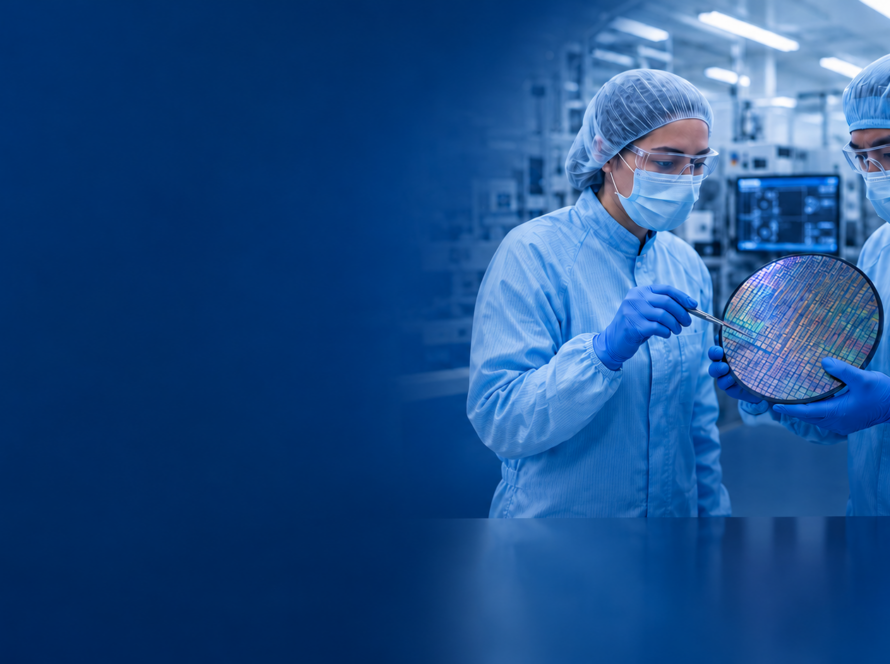
Semiconductors are the tiny technologies behind smartphones, electric vehicles, medical devices, satellites, renewable energy systems, and countless digital tools we use every day. Yet many young people do not know what chips are, how they are made, or what kinds of careers exist in the semiconductor industry.
Events like Forskningens Døgn help close this awareness gap. They make complex science approachable, give students early contact with researchers and laboratories, and show that engineering and technology are creative, collaborative, and meaningful fields.
This aligns strongly with the CHIPS of Europe mission: to strengthen semiconductor education through industry-academia collaboration, updated curricula, microcredentials, virtual labs, hands-on learning, and school outreach. The project places special emphasis on reaching students early, supporting teachers, and encouraging more diverse participation in technical fields.
From Curiosity to Careers
A single science event can be the first step toward a future career. A student who sees a lab for the first time, builds a solution with their hands, or speaks with a researcher may begin to imagine themselves as an engineer, scientist, chip designer, or innovator.
That is why CHIPS of Europe supports activities that make technology visible and relatable. By connecting young learners with universities and industry, the project helps create pathways from early curiosity to higher education and, eventually, to careers in Europe’s semiconductor ecosystem.
Looking Ahead
CHIPS of Europe congratulates SDU on hosting an inspiring Forskningens Døgn in Sønderborg. Outreach activities like this help bring science closer to society and show young people that they can be part of shaping Europe’s technological future.
As the project continues, CHIPS of Europe will keep supporting initiatives that connect schools, universities, companies, and communities — building the skills, confidence, and excitement needed for the next generation of semiconductor talent.
Forskningens Døgn 2026 in Sønderborg was a public science event hosted by SDU Sønderborg on 25 April 2026 at Alsion, offering hands-on activities, workshops, experiments, lab tours, and opportunities to meet researchers.
The event supports CHIPS of Europe’s goal of inspiring young people to explore STEM education and future technology careers, including semiconductor-related pathways.
CHIPS of Europe is a European project that connects higher education, industry, and schools to strengthen semiconductor skills, increase the attractiveness of semiconductor studies and careers, and support Europe’s future talent pipeline.
Semiconductors power many technologies students use every day, from phones and gaming devices to electric vehicles, space technology, renewable energy systems, and medical equipment. Learning about chips can open the door to creative and impactful STEM careers.
The project supports updated curricula, microcredentials, virtual labs, hands-on learning, industry-academia collaboration, school outreach, and diversity-focused activities.