
How CRA, VekaTech, STEMkids, and CHIPS of Europe are bringing hands-on semiconductor education closer to young learners
Semiconductors power the technologies we use every day, from smartphones and electric vehicles to medical devices and satellites. Yet across Europe, the sector faces a growing need for skilled professionals who understand how chips are designed, produced, and applied in the real world.
This is why early STEM engagement matters. Through the CHIPS of Europe project, the Center for Research and Analysis (CRA) is helping young people discover microelectronics not as an abstract topic, but as something they can touch, build, test, and understand.
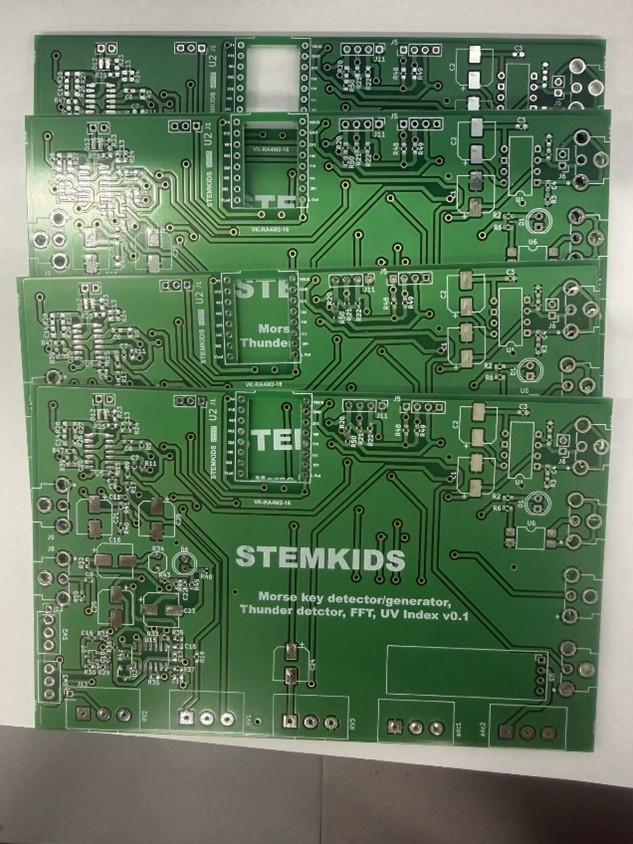
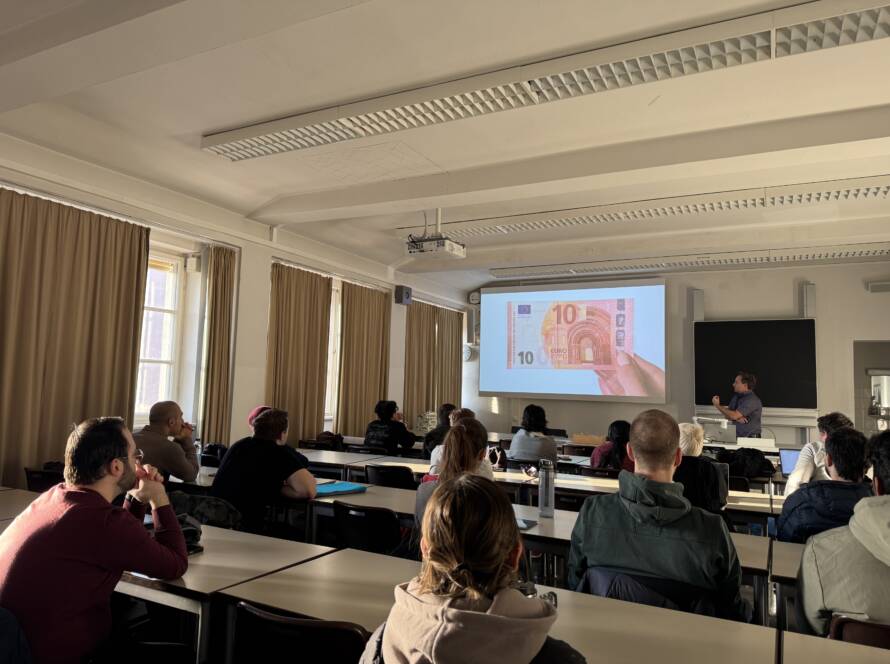
In Bulgaria, CRA has further strengthened its partnership with VekaTech, a Plovdiv-based microelectronics company, through support for the STEMkids initiative. The collaboration builds on connections first established during the Science Festival in Plovdiv in November 2025 and focuses on introducing children and high-school students to practical microelectronics experimentation and participatory printed circuit board design.
Learning by doing: microelectronics beyond the classroom
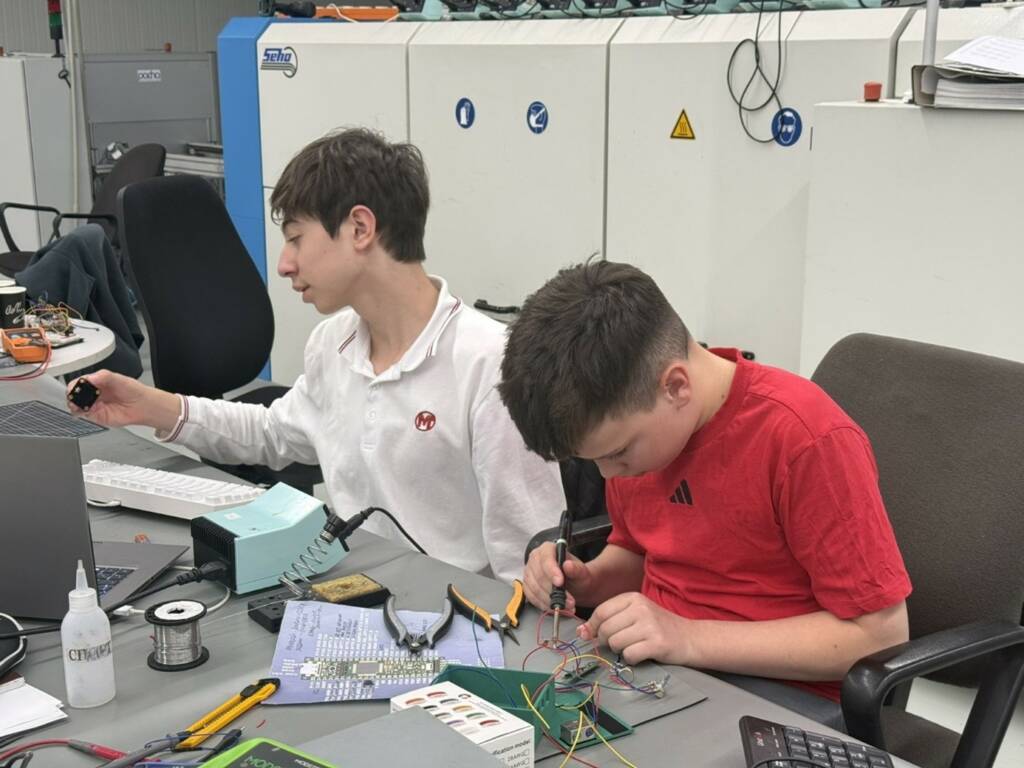
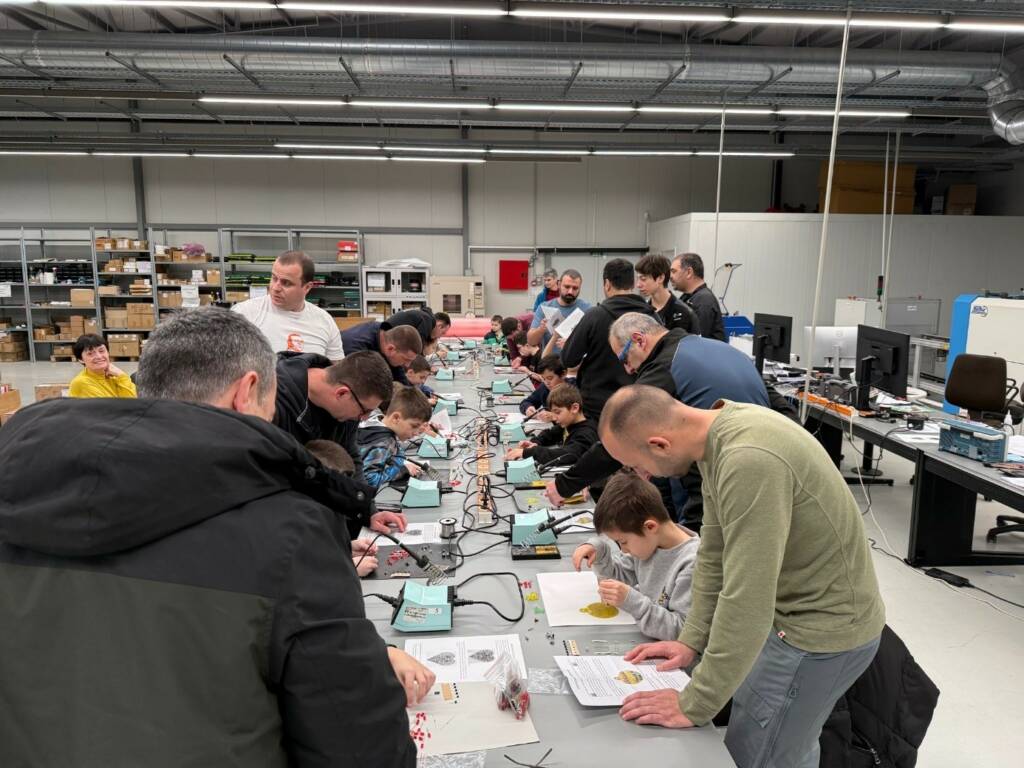
STEMkids gives young learners the opportunity to explore electronics through practical weekend workshops. Instead of only hearing about circuits, students can experiment with them directly, gaining a first understanding of how printed circuit boards, components, and electronic systems work together.
A key element of the initiative is the involvement of VekaTech, a Bulgarian electronics manufacturing and R&D company based in Plovdiv. The company produces printed circuit boards used in the STEMkids workshops and brings industry experience into the learning process. According to the attached document, VekaTech serves sectors such as automotive and industrial electronics and was successfully re-certified under ISO 9001 and ISO 14001 in 2024.
This type of cooperation is essential for making microelectronics more visible and accessible. It helps students understand that semiconductors and electronics are not distant technologies developed somewhere else; they are part of a real and growing industry in their own region.
Why Plovdiv and regional engagement matter
CRA’s approach within CHIPS of Europe focuses on mobilising regional support for microelectronics beyond Sofia. Plovdiv, Bulgaria’s second-largest city, has a strong industrial base and attracts important manufacturing companies, including players connected to the microelectronics ecosystem.
The initiative also recognises the potential of the wider region, including Stara Zagora, which historically played an important role in microelectronics before 1989. Renewed engagement with students, families, educators, and local industry can help activate this potential again and inspire a new generation to consider careers in electronics and semiconductors.
Bringing students, parents, teachers, and industry together
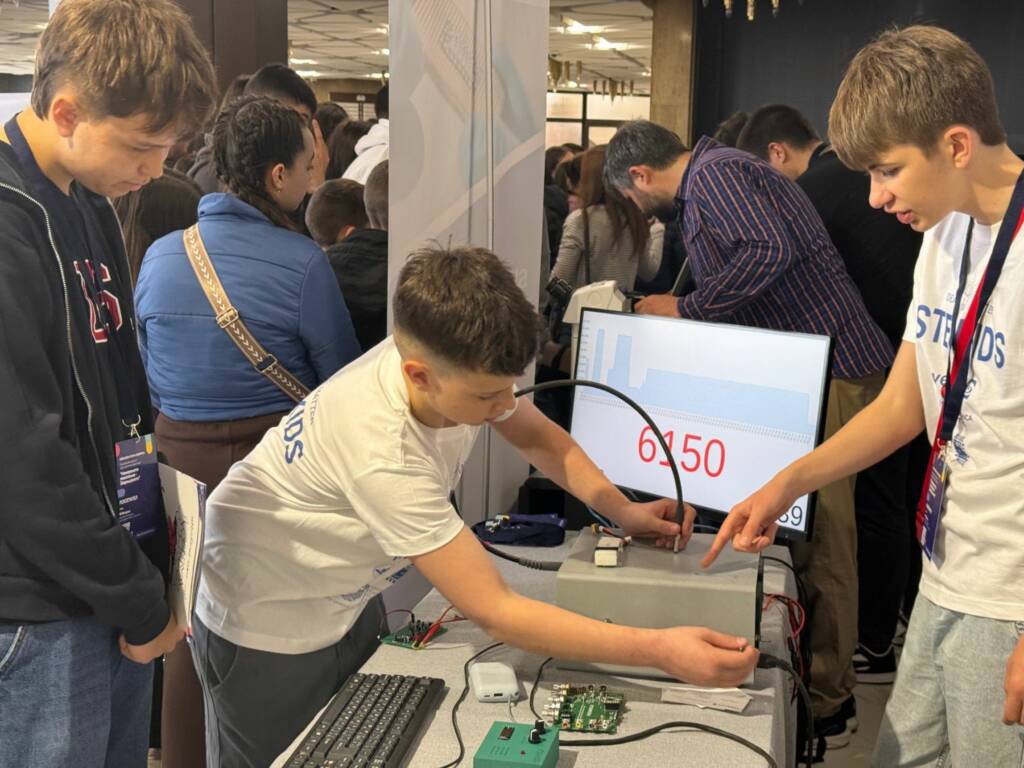
In March, STEMkids, with support from CRA through CHIPS of Europe, participated in two external events:
“Plovdiv – City of Science and Technology” on 21 March, and a city-level STEM competition on 28 March, organised in cooperation with the private high school “Academician Blagovest Sendov”.
These events created opportunities for young people to experience microelectronics in an engaging way and connect with the people and organisations shaping Bulgaria’s technology landscape. The activities also involved parents, including mothers, highlighting the importance of family encouragement in helping students build confidence in STEM fields.
Connecting local activities to a European mission
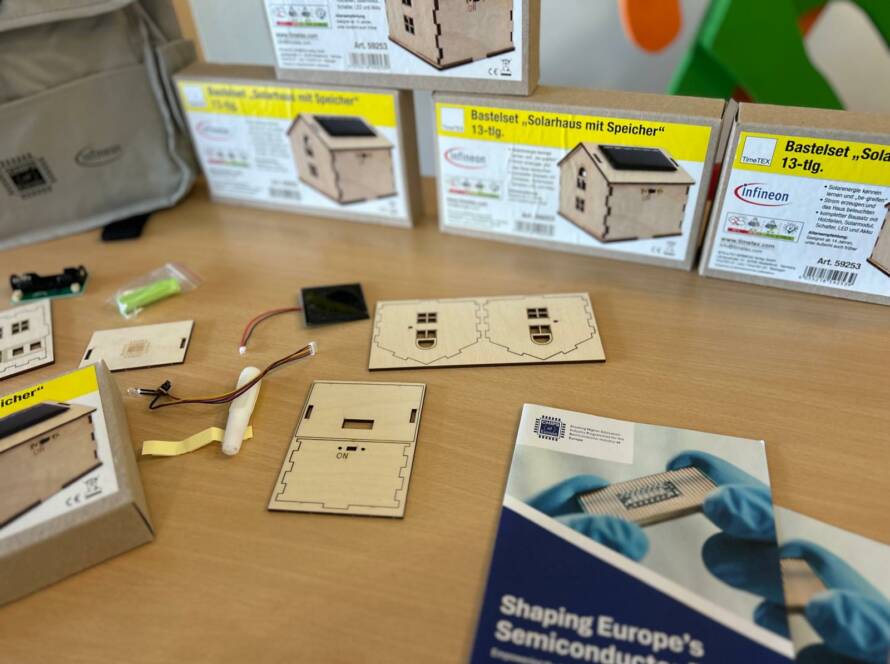
CHIPS of Europe aims to strengthen the semiconductor talent pipeline by connecting secondary schools, universities, and industry. Local initiatives such as STEMkids show how this mission can become concrete: by giving students early, hands-on exposure to technologies that are central to Europe’s digital and industrial future.
During the same period, CRA, the Technical University of Sofia, Sofia University, and STEMkids also collaborated to prepare a joint exhibition area for “The Return”, the largest national educational fair in Sofia in April.
This kind of collaboration supports one of the project’s core goals: making semiconductor education more visible, attractive, and accessible to young people across Europe.
Building curiosity today, skills for tomorrow
Europe’s semiconductor future depends not only on advanced research and industrial investment, but also on curiosity. When students are invited to design, build, test, and ask questions, they begin to see themselves as part of the technology world.
Through the partnership between CRA, VekaTech, STEMkids, and CHIPS of Europe, young learners in Bulgaria are gaining an early introduction to microelectronics in a practical and inspiring way. These activities help turn complex technology into something understandable and exciting, while showing students that future careers in chips, electronics, and engineering are within reach.
By connecting schools, families, universities, and companies, CHIPS of Europe is helping build the foundation for a stronger, more diverse, and future-ready semiconductor workforce.