
Europe’s semiconductor future depends on people. That is why CHIPS of Europe is focused on one of the sector’s biggest challenges: developing the skills, learning pathways, and industry connections needed to grow the next generation of semiconductor talent.
Now, 18 months into the project, we are already seeing strong momentum.
From updated university courses and a newly launched Industrial Advisory Board to school outreach and the first online modules of our Virtual Laboratory for Semiconductor Technology (VLabS), CHIPS of Europe is helping make semiconductor education more visible, more practical, and more connected to real industry needs. This directly supports the project’s wider mission to strengthen Europe’s semiconductor ecosystem through education, collaboration, and outreach.
What CHIPS of Europe has achieved after 18 months
The first 18 months of CHIPS of Europe have delivered important progress across higher education, industry engagement, and public outreach:
- More than 50 Bachelor’s and Master’s level courses have been updated with new content and innovative teaching approaches based on feedback from the semiconductor industry.
- An international Industrial Advisory Board has been launched to bring expert industry insight into our work to attract, educate, and prepare future talent.
- More than 5,000 secondary school pupils and teachers have taken part in workshops and other training activities.
- More than 20,000 participants overall — from university students to members of the general public — have engaged in CHIPS of Europe activities, either in person or online.
- The first five modules of VLabS, our interactive Virtual Laboratory for Semiconductor Technology, are now online, with further development underway.
These results show that CHIPS of Europe is already creating meaningful impact across the full talent pipeline, from early awareness in schools to advanced learning in higher education. This approach is fully in line with the project’s objective to connect schools, universities, and industry in order to make semiconductor careers more attractive and accessible.
Why this matters for Europe’s semiconductor industry
Semiconductors are at the heart of Europe’s digital and industrial future. They enable advances in mobility, healthcare, communications, energy systems, manufacturing, and space technologies. But innovation in these areas depends on a skilled workforce.
CHIPS of Europe was created to help meet that need by making semiconductor-related studies and careers more attractive, modern, and industry-relevant. The project brings together universities, companies, and other stakeholders across Europe to support updated curricula, hands-on learning, virtual labs, outreach to schools, and long-term cooperation between academia and industry.
The progress made so far shows that this model is working.
Updating higher education for real industry needs
One of the clearest achievements so far is the update of more than 50 university courses at Bachelor’s and Master’s level.
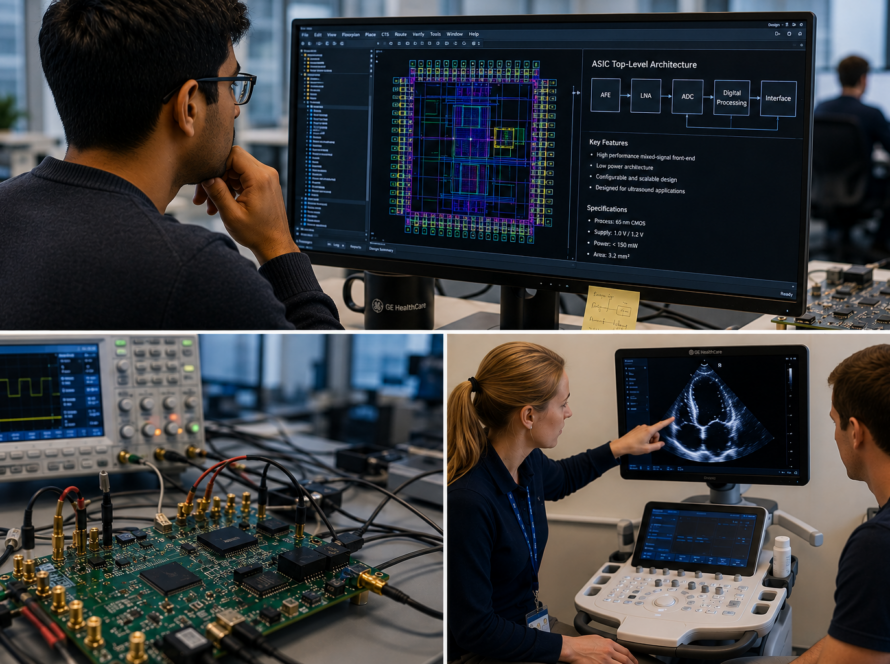
This is about more than revising teaching materials. It means making semiconductor education more responsive to current industrial practice, more engaging for students, and better aligned with the skills Europe needs in areas such as chip design, manufacturing, and packaging. The project was designed around exactly these priorities, with strong emphasis on certified education programmes, upgraded learning environments, and sustained collaboration between higher education institutions and industry.
By integrating industry feedback into course development, CHIPS of Europe helps ensure that students are not only learning theory, but also gaining knowledge that is relevant for future careers in the semiconductor sector.
Strengthening the bridge between academia and industry
The launch of an international Industrial Advisory Board is another important milestone.
Industry participation is essential if Europe wants to build a future-ready semiconductor workforce. Within CHIPS of Europe, companies contribute practical insight, help shape curricula, support internships and thesis opportunities, and provide perspectives on emerging skills needs. This kind of collaboration was built into the project from the start and is central to its long-term value.
The new Advisory Board strengthens that connection even further. It gives the project a structured way to benefit from industry expertise while ensuring that education and training activities stay relevant, ambitious, and forward-looking.
Reaching future talent early
Building semiconductor skills does not begin at university. It begins much earlier, by helping young people understand what semiconductors are, why they matter, and what kinds of careers they can lead to.
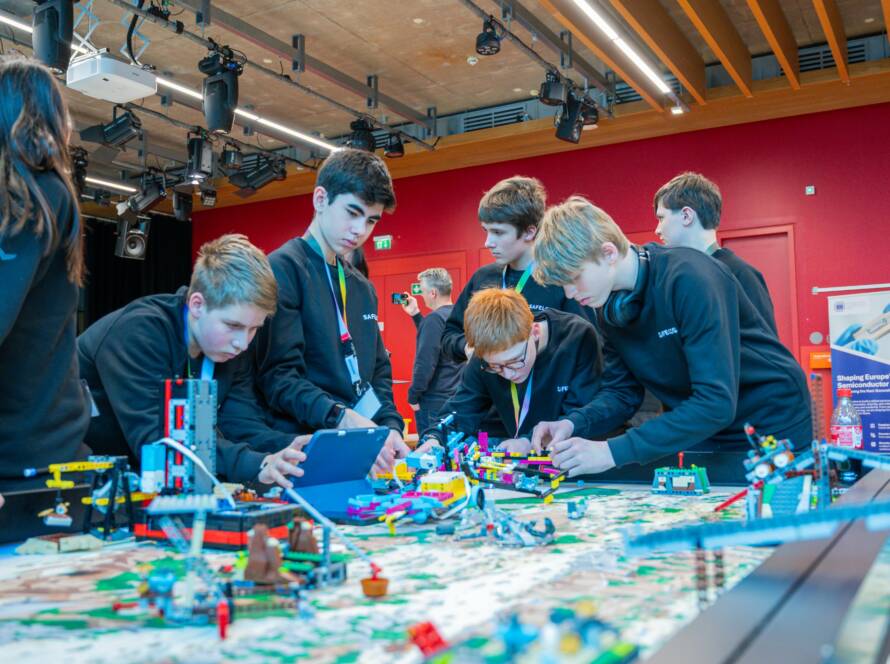
That is why it is especially encouraging that more than 5,000 secondary school pupils and teachers have already participated in CHIPS of Europe workshops and training activities. Outreach to schools is a core part of the project’s talent pipeline approach, alongside support for teachers and efforts to raise awareness among wider audiences.
These activities help make semiconductor topics more approachable and visible, especially for audiences who may have had little prior exposure to the field.
More than 20,000 people engaged across Europe
CHIPS of Europe has now engaged more than 20,000 participants overall, including university students, teachers, stakeholders, and members of the general public.
That matters because one of the project’s key goals is not only to educate, but also to improve the visibility and attractiveness of semiconductor-related studies and jobs. Public communication, dissemination, events, and digital engagement are therefore not side activities; they are part of the project’s core mission.
This broad reach shows that interest is growing — and that semiconductor education can capture attention when presented in an engaging, practical, and future-oriented way.
VLabS: opening access through virtual semiconductor learning
A particularly exciting milestone is the launch of the first five modules of VLabS, the project’s interactive Virtual Laboratory for Semiconductor Technology.
Virtual learning environments are a major opportunity in semiconductor education. They can help learners explore concepts, processes, and applications in more flexible and accessible ways, while complementing hands-on teaching and laboratory experiences. VLabS reflects the project’s commitment to innovative teaching methods and hybrid learning formats.
With the first modules now online and more to come, VLabS is becoming an important part of how CHIPS of Europe supports learners across different levels and locations.
Looking ahead to the next phase
After 18 months, CHIPS of Europe has already built a strong foundation. The next phase is about scaling that impact further: expanding activities, growing participation, continuing to modernize education, and inspiring even more people to see semiconductors as a field where they can study, work, and innovate.
By linking higher education, industry expertise, school outreach, and digital learning tools, CHIPS of Europe is helping shape a stronger and more sustainable semiconductor skills ecosystem for Europe. That is not only good for students and educators. It is also essential for Europe’s digital future.
We look forward to the next project phase — and to inspiring even more people to help shape Europe’s digital future through semiconductors.
About CHIPS of Europe
CHIPS of Europe stands for Creating Higher Education-Industry Programmes for the Semiconductor Industry of Europe. The project aims to increase the attractiveness of semiconductor-related study programmes and careers by connecting academia, industry, and schools across Europe. Its activities include updated curricula, microcredentials, innovative teaching methods, virtual labs, outreach to secondary schools, and public communication to strengthen awareness and engagement around semiconductor careers.
CHIPS of Europe is a European project that connects higher education, industry, and schools to strengthen semiconductor skills, modernize teaching, and attract more talent into semiconductor careers.
After 18 months, the project has updated more than 50 Bachelor’s and Master’s courses, launched an international Industrial Advisory Board, engaged more than 5,000 pupils and teachers, reached over 20,000 participants overall, and published the first five VLabS modules.
VLabS is the Virtual Laboratory for Semiconductor Technology developed within CHIPS of Europe. It offers interactive online learning modules and will continue to expand over the course of the project.
Semiconductor education is important because Europe needs more skilled professionals in chip design, manufacturing, packaging, and related fields to support its digital and industrial future.


1 Comment
pocfexjhs
Nice write-up