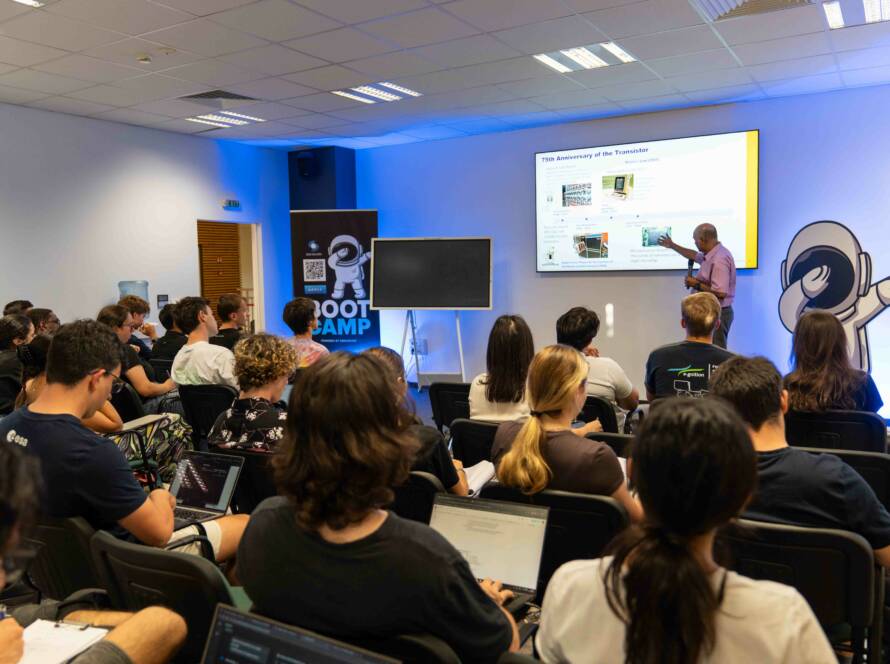

On 23 March 2026, the University of South-Eastern Norway (USN) hosted two parallel technology events for young people aged 12 to 16 as part of the CHIPS of Europe project, in collaboration with GE Vingmed. Nearly 100 participants took part in the day, which combined hands-on learning, inspiring role models, and practical insights into how technology shapes our lives.
The events were designed around a shared ambition: to help young people discover that technology is something they can relate to, enjoy, and potentially build a future in.
Although the programme was split into two parallel tracks — “togetHER in TECH” for girls and a Technology Day for Boys — the participants came together for a joint welcome and closing session. Across both tracks, they explored technology through interactive activities that made complex topics engaging and accessible.
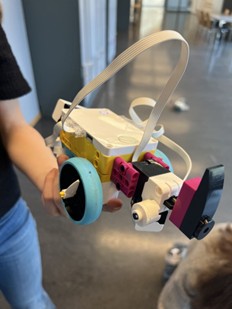
A key part of the day was LEGO robot programming, where participants built and programmed robots while learning how software, sensors, and mechanics work together. Another highlight was the session “How can we see inside the body?”, which introduced the young audience to ultrasound in medicine and demonstrated how imaging technology supports diagnosis and treatment. These activities gave participants a tangible sense of how engineering, digital skills, and innovation connect to real-world applications.
Creating space for girls in technology
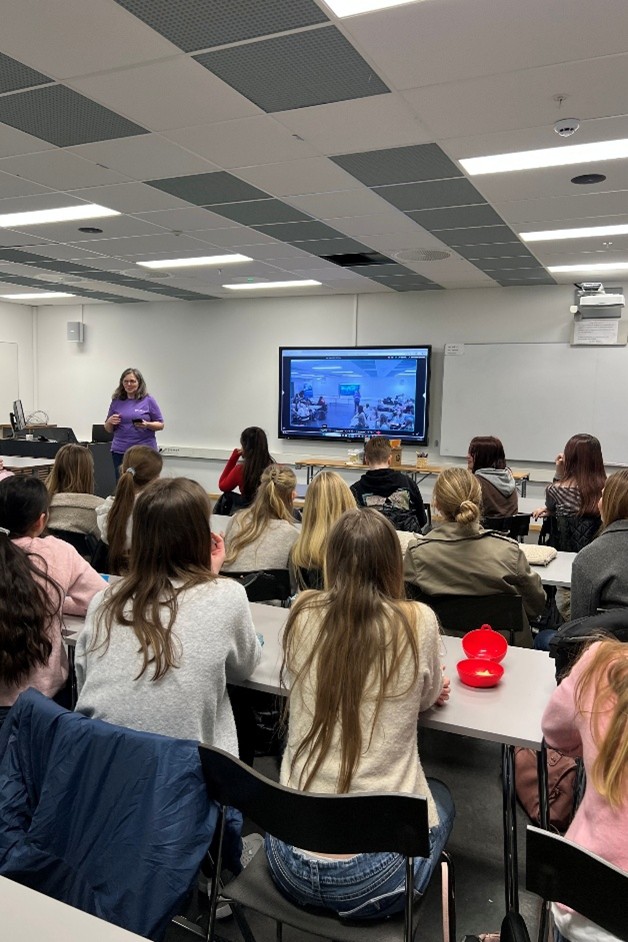
The togetHER in TECH event focused on encouraging girls to see themselves in STEM. Participants met female students and professionals who shared personal stories about studying and working in technology, helping to make future pathways feel both visible and achievable.
The girls also joined a creative electronics workshop, where they made light-up birthday cards using simple circuits — a fun and memorable way to experience how electronics work in practice.
At lunchtime, the group connected live with other togetHER in TECH events taking place across Europe through the CHIPS of Europe network. This international exchange gave participants a strong sense of belonging to a wider community of girls exploring technology together.
Throughout the day, the message was clear: technology is for girls too. By combining practical activities with visible role models, the event aimed to strengthen self-confidence and show that girls have an important place in shaping the future of STEM.
Inspiring boys through practical exploration
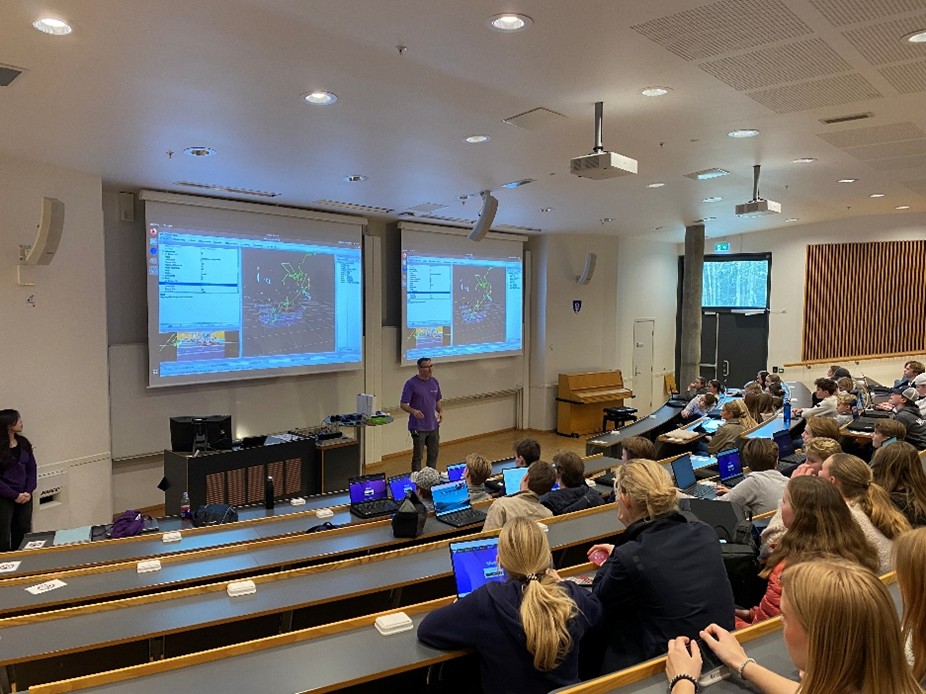
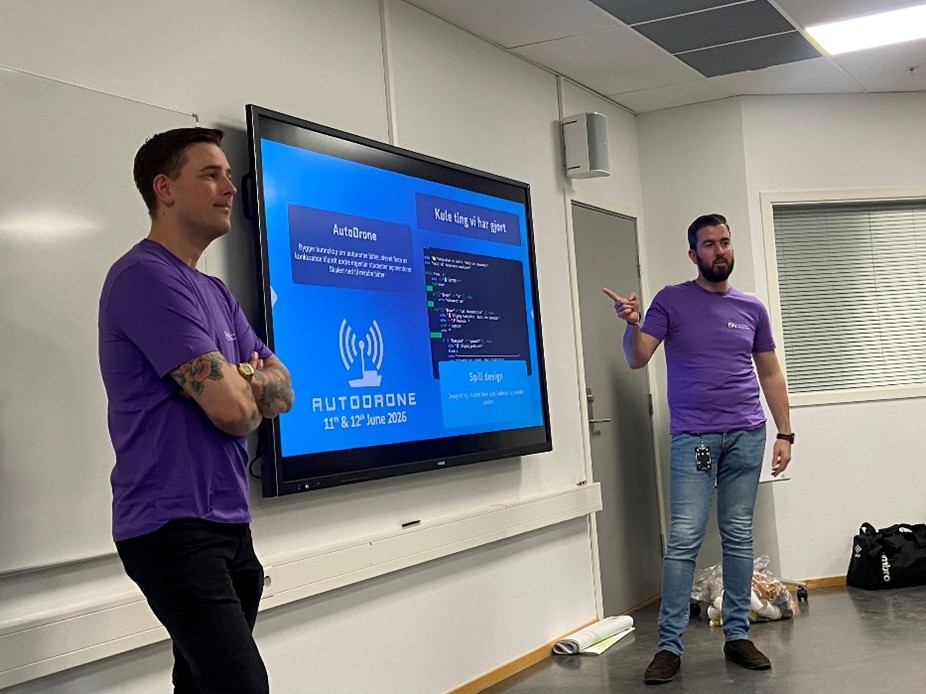
At the same time, the Technology Day for Boys introduced participants to a range of technology fields and career possibilities. They met male students and professionals who shared how technology is used in research and industry, offering a relatable perspective on what a future in STEM can look like.
One of the most exciting elements for the boys was learning about autonomous systems, including boats and drones. These examples sparked curiosity and showed how advanced technologies are already being used in dynamic and meaningful ways.
Supporting the goals of CHIPS of Europe
Events like these reflect the wider mission of CHIPS of Europe: to strengthen European skills, interest, and recruitment in semiconductor-related fields by connecting education, industry, and young learners early on. The project places strong emphasis on outreach, diversity, and making semiconductor careers more visible and attractive to the next generation.
By giving young people positive first-hand experiences with technology, USN and its partners are helping to:
- spark interest in technology and STEM studies
- support diversity and better gender balance in technical fields
- showcase educational and career paths through collaboration with industry
The day ended on a high note with an energetic Kahoot quiz, where the three best teams received prizes. It was a fitting finale to an inspiring programme filled with enthusiasm, curiosity, and discovery.
The strong engagement from participants shows how valuable these early encounters with technology can be. By opening the door to hands-on learning and meaningful role models, initiatives like this help ensure that more young people can imagine themselves as part of Europe’s future technology workforce.